

Bible Verses About Light
The concept of light in the Bible carries profound significance, representing transformation, guidance, God’s presence, victory over darkness, and the responsibility of spreading God’s light.

Bible Verses About Home
The Bible says quite a lot about the home – both directly and indirectly. The lessons about the home from the Bible cut across society and are invaluable for both believers and non-believers.
Bible Verses About Teamwork
The Bible has quite a lot to say on teamwork. By and large, God expects every Christian to respect their colleagues and their work because ultimately, every work we do is a service to God.

Can Christians Eat Pork?
Kosher laws, also known as kashrut, are a set of laws that were given under the mosaic covenant on dietary restrictions. In these laws, God gave strict guidelines on which animals were clean and which were unclean.

What the Bible Says About Addiction?
The Bible has lots to say about addiction. It can be a source of inspiration for anyone who is struggling with addiction of any kind.
Bible Verses About Success
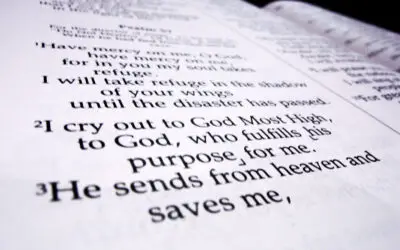
One of the common denominators with people who walked with God in the Bible is that he made them hugely successful. And these people are a cross-section of society including farmers, politicians, prophets, housewives, and almost all careers that existed in Bible time.

What Does the Bible Say About Cussing?
Cussing or profanity is chalal in Hebrew or Koinos in Greek. In both cases, these words mean to defile, pollute to treat as common.

Bible Verses About Beauty
In the Bible, beauty is used in different contexts to illustrate different meanings.

Bible Verse About Daughters
There are at least 480 references to daughters in the Bible. And that is not factoring in the many references to “sons and daughters” when talking about children or those that mention daughters as a way of establishing family relationships.
What Does the Bible Say About Judging Others?
Do not judge, or you too will be judged. For in the same way you judge others, you will be judged, and with the measure you use, it will be measured to you. Mathew 7:1-2
7 Reasons Why We Take Communion
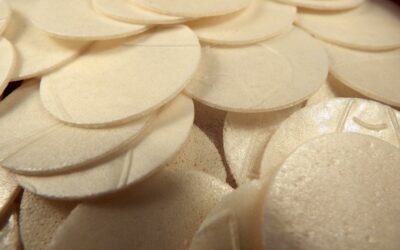
The Lord’s Supper, or communion, is a way for believers to show their love and fellowship with Christ and one another. It also ensures we remember the atoning sacrifice Jesus made and look forward to when He will partake with us in the kingdom of God.

Why Do People Generally Prefer Honor And Prestige Over Servanthood?
Today, it’s easy to prioritize honor and glory over servanthood. That’s because honor, which determines one’s status and worth in society, depends on the code of conduct established in society.
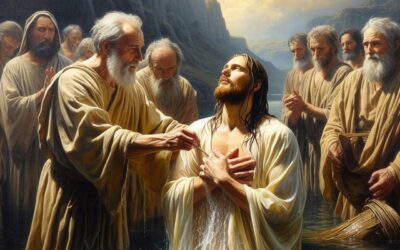
Who Was Baptized Twice In The Bible?
Acts 19 talks of a group of disciples in Ephesus who were baptized twice. John the Baptist first baptized them with water to signify repentance and purification. They were baptized again in the name of Jesus by Paul, and they received the Holy Spirit and spoke in tongues.

What Age Will We Be In Heaven?
The Bible doesn’t tell us how old we will be in heaven. Some scholars believe we will be the same age in heaven as when we died, while others predict 33 years based on how old Jesus was when he went to heaven.

Is Cheating A Sin?
The Bible tells us that cheating is a sin. It’s a form of dishonesty or lying that contrasts with the standards our LORD has set, causing us to fall short of His glory.

How Long Is a Generation In The Bible?
The biblical concept of a generation varies from the modern version that we have come to know.

Are Angel Numbers Biblical?
The idea of angel numbers has no scriptural foundation. While the Bible places a lot of significance on certain numbers, it does not point to any number being an angel number.

What Is The Difference Between God And Jesus
The Bible tells us there is God our Father and Jesus the Son of God, also called the Son of man.
